If you are buying your first home, Shoreline condos and townhomes can hit a sweet spot. You may want a lower-maintenance option, access to transit, and a chance to stay closer to Seattle without jumping straight into a detached house. The good news is that Shoreline offers more variety than many first-time buyers expect, and understanding that mix can help you shop with more confidence. Let’s dive in.
Why Shoreline stands out
Shoreline is still largely a single-family city, with the City reporting that more than 70% of households are single-family residences. At the same time, attached housing is becoming a bigger part of the local market. In 2025 alone, Shoreline completed 1,132 net new dwelling units, including 38 townhomes across four developments, and issued permits for 97 more townhouse units.
That matters if you are looking for a first step into ownership. Shoreline is not just a market of older condo buildings. It is a mix of legacy condos, newer townhome communities, and future infill near transit areas.
The city’s long-range planning also points to continued growth. Shoreline expects to add 13,330 households by 2044, and the 145th Street station-area plan projected hundreds of condo and townhome units over time. For you, that means attached-home options may continue to expand, especially near light rail.
What first-time buyers can expect
Shoreline condos and townhomes cover a wide range of sizes, layouts, and monthly costs. You can find smaller one-bedroom condos, larger two-bedroom units, and townhome-style homes with multiple levels and garages. That variety makes it easier to match your budget and lifestyle to a specific type of home.
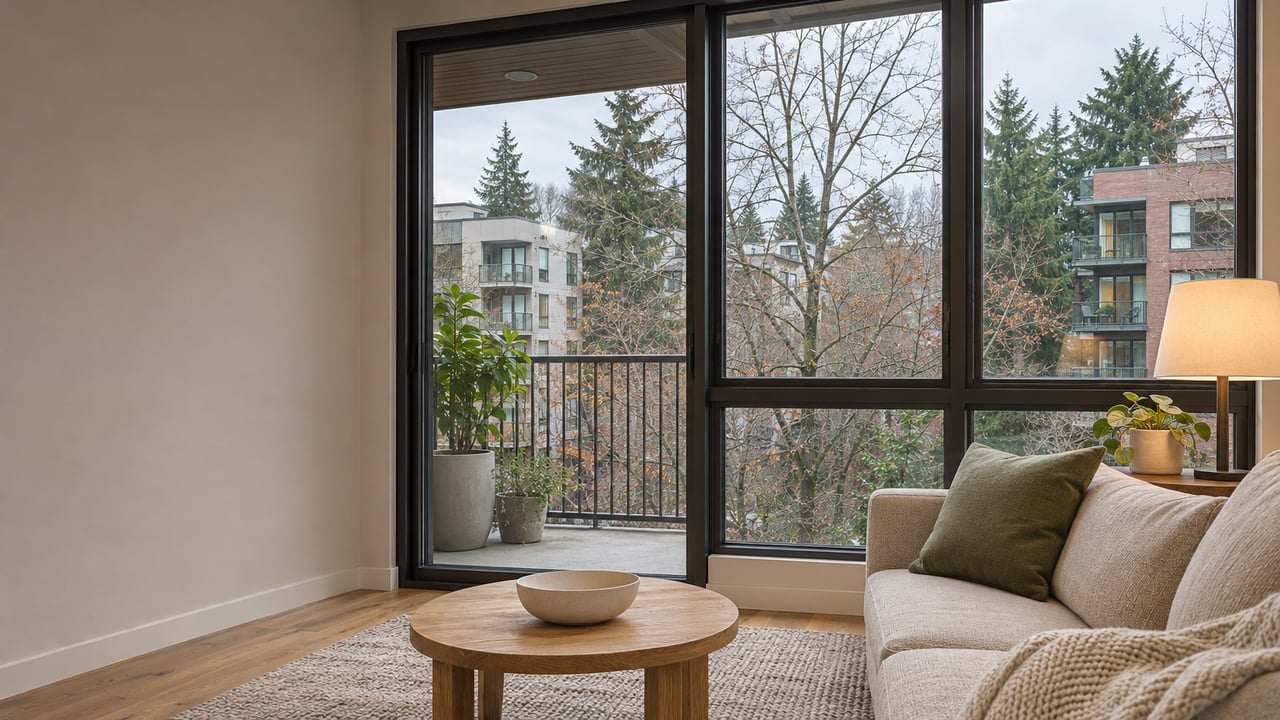
Some recent Shoreline condo examples show how broad the market can be. One one-bedroom condo around 645 square feet included an open layout, a bonus room, in-unit laundry, a private patio, one parking space, and monthly HOA dues of $491. Another two-bedroom condo around 906 square feet offered a balcony, secure building access, underground parking, elevator access, and dues of $520 that reportedly covered water, sewer, and garbage.
On the larger end, a townhome-style condo of about 1,641 square feet featured three bedrooms, 2.5 baths, a sunny patio, and an oversized two-car garage, with HOA dues of $610. There are also condo communities with more extensive shared amenities. One top-floor two-bedroom condo around 1,252 square feet had a large private deck, covered parking, and dues of $1,009 that reportedly covered cable, internet, and utilities, along with access to a clubhouse, fitness room, pool, sport court, handyman space, and RV parking.
Condos vs. townhomes in Shoreline
For many first-time buyers, the big question is simple: should you focus on a condo or a townhome? In Shoreline, the answer depends less on the label and more on the specific property, its governing documents, and how you want to live day to day.
Condos often offer simpler shared upkeep
A condo may be a good fit if you want a more compact footprint and fewer exterior maintenance tasks on your personal to-do list. Many condo buildings also include features that some buyers value, such as secure entry, elevators, underground parking, and shared amenities. If your schedule is busy, that setup can feel more manageable.
That said, monthly dues can vary a lot. Some associations cover utilities or amenities, while others cover fewer items. You want to look beyond the amount and understand what is included.
Townhomes can offer more space
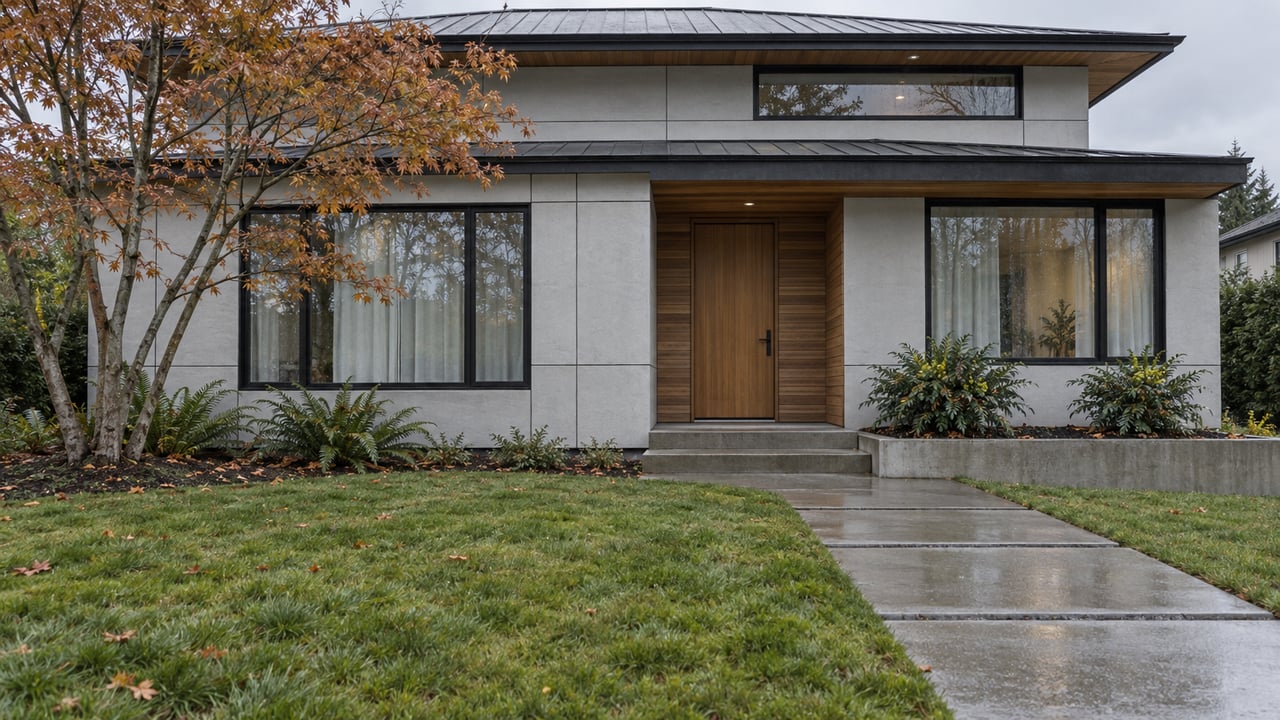
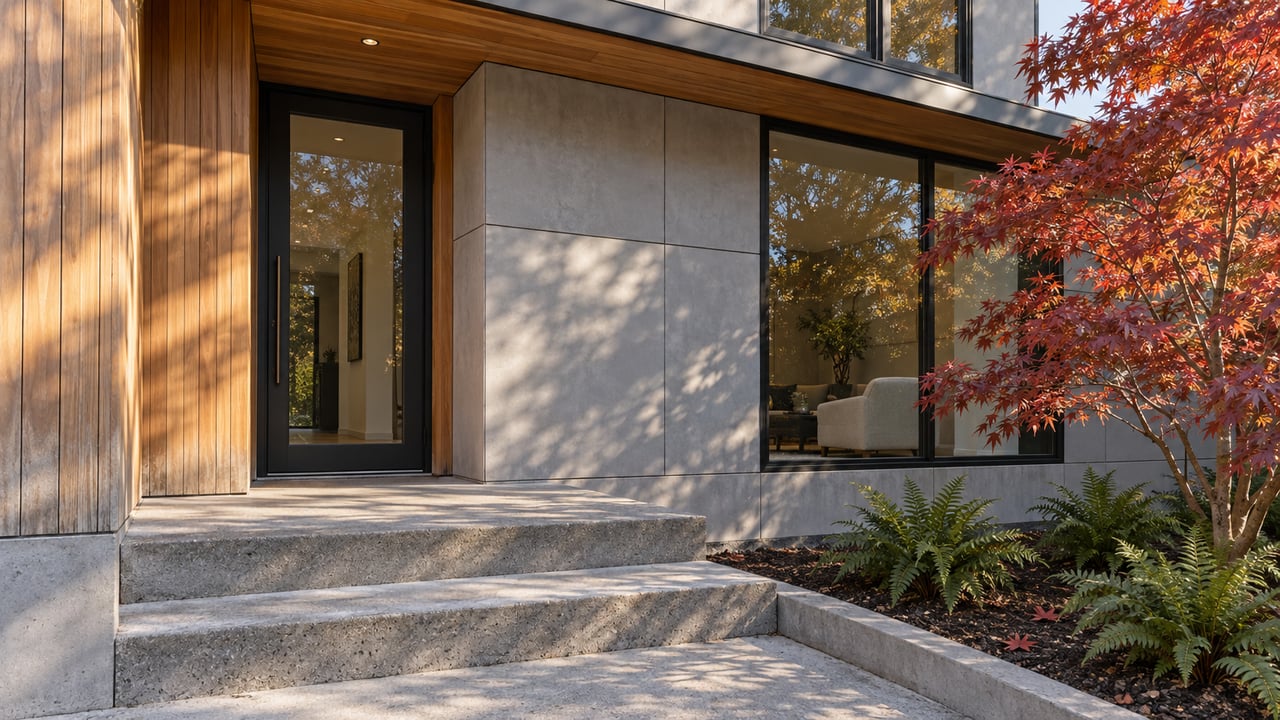
Townhomes in Shoreline may appeal to you if you want more square footage, multiple levels, direct entry, a garage, or outdoor space. The city notes that it adopted townhouse design standards in 2020 that encouraged street-facing townhomes rather than slot-style layouts. That can shape how some newer communities feel and function.
Still, a townhome is not automatically a lower-maintenance choice. In Washington, townhome communities may be structured in different ways, and the governing documents determine who is responsible for what. That means you should not assume exterior repairs, roofs, or shared areas are handled the same way in every community.
HOA dues deserve a closer look
For first-time buyers, HOA dues can feel confusing at first. The key is to think of them as more than just a monthly bill. In Washington, associations can adopt budgets for revenues, expenditures, and reserves, and they can levy assessments for common expenses.
That is why two homes with similar dues may not offer the same value. One HOA may include water, sewer, garbage, parking, and building maintenance. Another may include even more, such as cable, internet, or amenity costs.
Ask what the dues actually cover
Before you fall in love with a unit, ask practical questions like these:
- What do the monthly dues cover?
- Are water, sewer, and garbage included?
- Is parking included?
- Does the HOA handle exterior maintenance?
- Are there amenities that affect the monthly cost?
- Are cable or internet included?
These details can affect your true monthly housing cost just as much as the mortgage payment.
Check reserves and special assessments
Washington resale rules give buyers an important window into the financial health of a condo association. For condo resales, the seller must provide a resale certificate that lists the monthly common-expense assessment, any unpaid or special assessments, and reserve-study information.
If there is no current reserve study, the certificate must warn that insufficient reserves can lead to special assessments. In plain terms, that means you want to know whether the association is financially preparing for major repairs or whether owners may be asked to pay more later.
Transit is a real Shoreline advantage
One reason many first-time buyers look at Shoreline is the link between housing growth and transit access. Shoreline’s two Link stations are Shoreline South/148th and Shoreline North/185th. The South/148th station includes a parking garage with about 500 spaces, and the city is updating station subarea plans in 2025 and 2026 to improve transportation connections.
The city’s transportation planning also supports denser development within walking distance of public transit and businesses. That is important if you want a home that supports commuting flexibility or a more connected daily routine. It also helps explain why attached housing is increasingly being built near transit.
Shoreline has also completed pedestrian and bicycle improvements, including a new 1st Avenue NE sidewalk connection that supports access to the future 148th Street non-motorized bridge. For buyers, these investments add context when comparing one area of Shoreline to another.
Shoreline compared with nearby Seattle
If you are deciding between Shoreline and nearby north Seattle neighborhoods, Shoreline can feel like a middle ground. It offers newer attached ownership options near rapid transit, but with a more residential and suburban day-to-day feel than a denser urban center.
That contrast shows up in the planning data. Seattle’s Northgate Regional Center has a housing supply that is 97% multifamily, while the 130th and 145th station-area planning area still includes a larger share of single-family detached housing along with apartments, condominiums, townhouses, and other missing-middle homes. Shoreline sits between those patterns, which can be appealing if you want access and convenience without the same level of density.
A smart buying checklist
When you tour Shoreline condos and townhomes, try to keep your decision centered on both lifestyle and long-term costs. It is easy to focus on finishes and square footage, but your ownership experience will also be shaped by the HOA, the community layout, and the location.
Here is a practical checklist to keep with you:
- Compare the monthly payment and the HOA dues together
- Ask what services and utilities are included in the dues
- Review the resale certificate carefully
- Check for current or upcoming special assessments
- Ask whether there is a current reserve study
- Confirm parking details and guest parking rules
- Look at storage options, if any
- Consider transit access and daily commute patterns
- Think about whether you want shared amenities or simpler monthly costs
- Review maintenance responsibilities in the governing documents
Why guidance matters for first-time buyers
Buying a condo or townhome can be a great first step, but it does come with details that are easy to miss if you are new to the process. The right home is not always the one with the lowest list price or the most eye-catching kitchen. Often, it is the one where the monthly cost, HOA structure, location, and upkeep expectations all line up with your goals.
That is where a calm, education-first approach can make a real difference. When you understand the trade-offs clearly, you can make decisions with less stress and more confidence.
If you are exploring condos or townhomes in Shoreline and want steady guidance through the details, John Labrador can help you compare options, understand the paperwork, and move forward with clarity.
FAQs
What types of condos and townhomes can first-time buyers find in Shoreline?
- Shoreline offers a mix of older condo buildings, newer townhouse communities, and additional attached-home development near transit, with layouts ranging from compact one-bedroom condos to larger three-bedroom townhome-style homes.
What should first-time buyers in Shoreline know about HOA dues?
- HOA dues can cover very different things from one property to another, including utilities, parking, exterior maintenance, and amenities, so you should always review what is included instead of comparing dues by amount alone.
What documents should condo buyers review in Washington?
- For condo resales, buyers should review the resale certificate because it includes the monthly assessment, any unpaid or special assessments, and reserve-study information.
Are Shoreline townhomes always easier to maintain than condos?
- No, because maintenance responsibility depends on the community’s governing documents, and a townhome may still have shared costs and association obligations.
Why is transit important when buying a condo or townhome in Shoreline?
- Transit matters because Shoreline’s attached-home growth is increasingly tied to areas near the South/148th and North/185th Link stations, which can affect convenience, commuting options, and future neighborhood growth.
How is Shoreline different from Northgate for first-time buyers?
- Shoreline generally offers a more residential and suburban feel than Northgate while still giving buyers access to newer attached homes and light-rail connections.