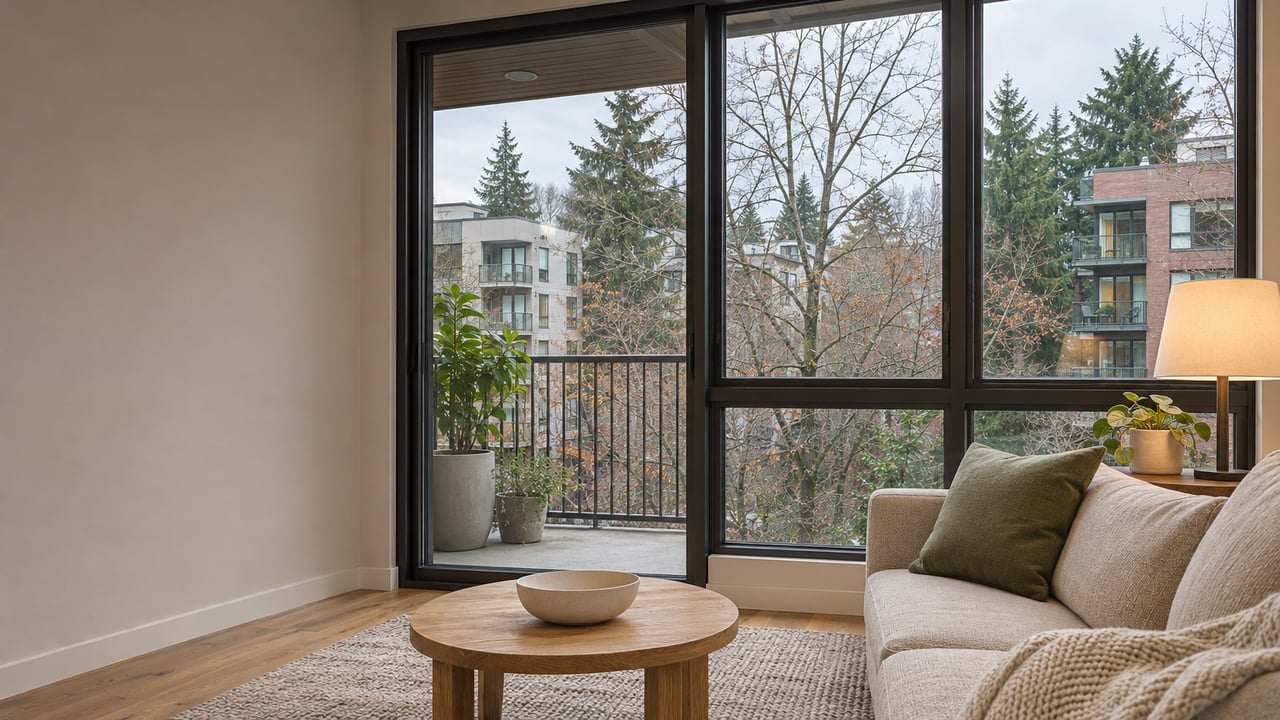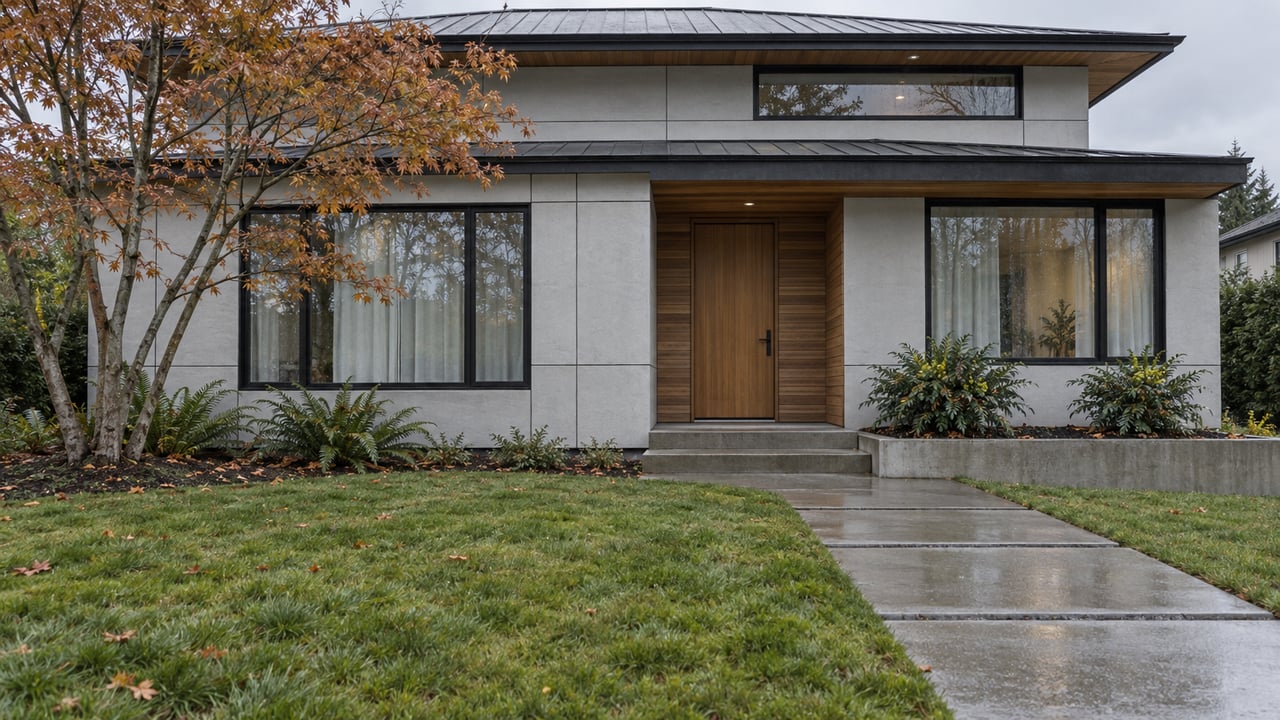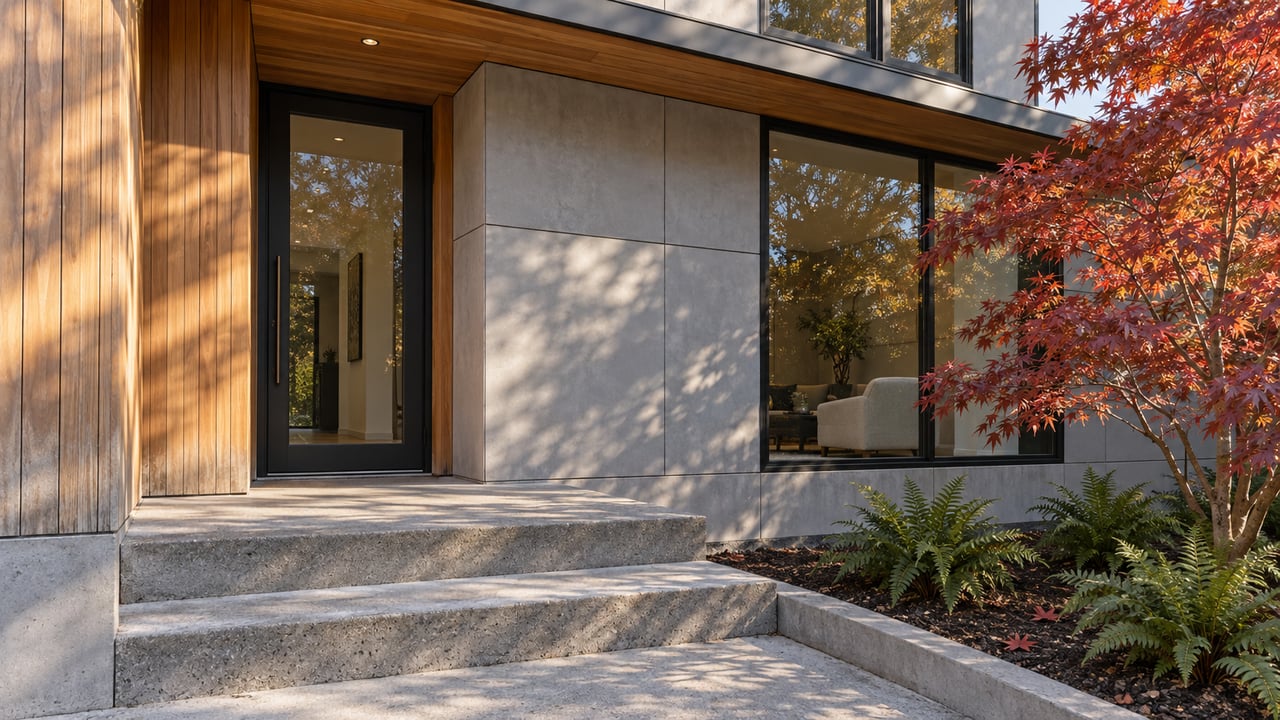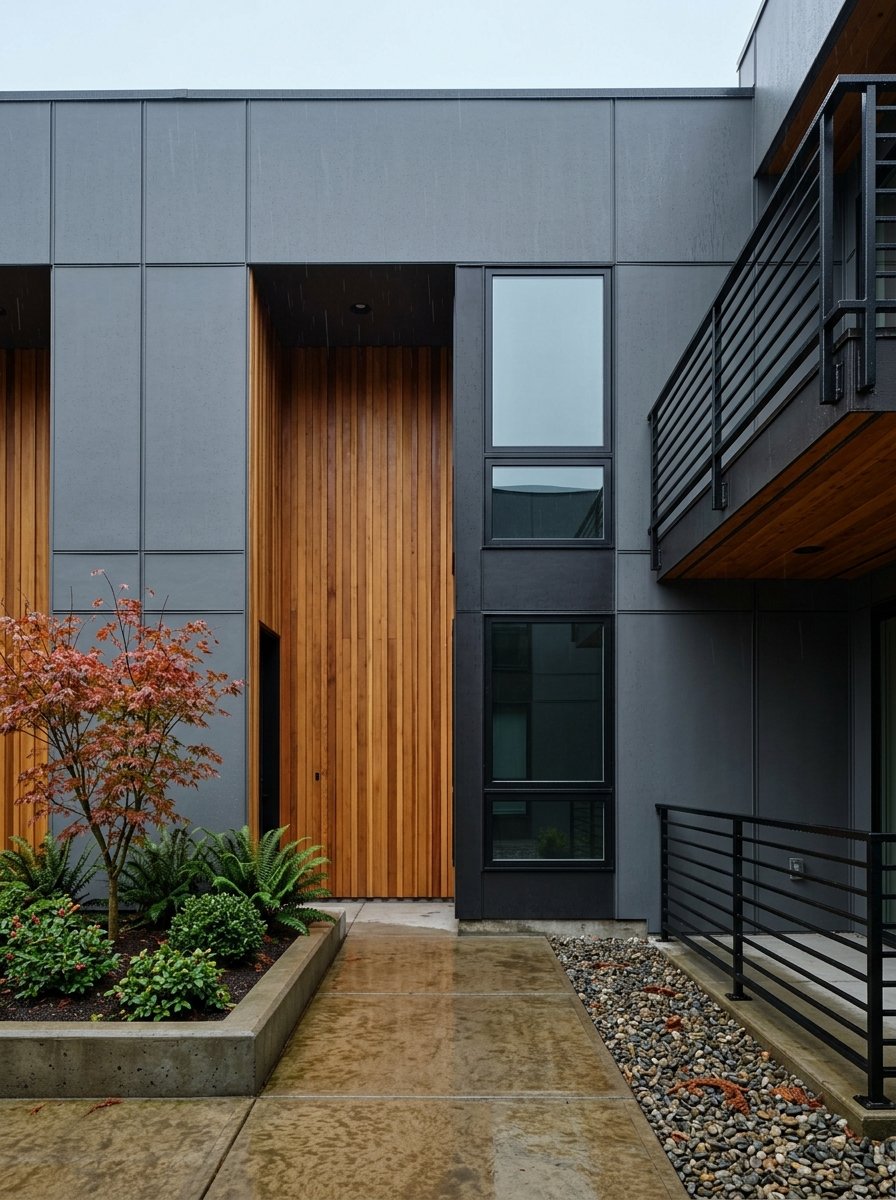
If you have been trying to make sense of Bellevue’s attached-home market, you are not alone. Condos and townhomes may get grouped together in casual conversation, but the latest Bellevue data shows they are behaving very differently. Understanding that split can help you price smarter, search more strategically, and time your move with more confidence. Let’s dive in.
Bellevue attached-home trends at a glance
Bellevue’s latest monthly snapshot shows 421 homes for sale, including 193 condos and 75 townhomes. Median days on market were 14 for condos, 6 for townhomes, and 6 citywide, which makes one thing clear: attached homes are not moving at the same pace across property types.
That difference matters whether you are buying or selling. A condo search may give you more room to compare options, while a strong townhome can still feel fast-moving and competitive. According to the latest Bellevue housing market breakdown, the city’s attached-home story is best understood by separating condos, townhomes, and new construction instead of lumping everything into one line.
On a broader level, inventory is rising, but the market is not oversupplied. The NWMLS 2025 year-end report noted that active listings were up year over year, while statewide months of inventory were 2.78, still below the 4 to 6 months many industry sources consider balanced.
Why Bellevue condos need a closer look
Condos are currently Bellevue’s largest attached-home inventory category, and they are also the slowest mover. Active condo listings rose from 123 in February to 159 in March and then to 193 in the latest report. At the same time, median days on market improved from 71 to 25 to 14, showing that demand is still there even as buyers take a more selective approach.
That selectivity is important. Buyers are comparing buildings, HOA dues, parking, finishes, and long-term ownership costs more carefully. If you are shopping for a condo, that means you may have more time to evaluate trade-offs than you would with a townhome.
If you are watching condo prices, monthly swings need context. The latest Bellevue report says the condo median dropped to $760,000 from $1.0915 million the month before, but the report attributes that change to a larger share of lower-priced units selling, not a broad drop in values across the market. In other words, the sales mix changed.
That same caution applies to annual numbers. A Bellevue condo year-in-review noted that 2025 headline declines were partly influenced by 2024 presale closings at Avenue Bellevue. The broader takeaway was more stable: overall 2025 condo median sale price was $955,000, resale condos were roughly flat to slightly up with a median just over $900,000, and average resale price per square foot increased 6.5%.
What condo buyers should know
If you are buying a Bellevue condo, this is a market where details matter.
- Compare HOA dues alongside monthly mortgage costs
- Look closely at parking, storage, and building amenities
- Review condition and update level, not just list price
- Expect some buildings to attract more urgency than others
- Treat headline median-price shifts carefully
The good news is that condos often give you more room to be thoughtful. If one building has higher monthly dues or older interiors, buyers may pause longer before making a decision.
What condo sellers should know
If you are selling a condo, patience and positioning matter more than ever. A well-prepared unit can still move, but buyers are looking at side-by-side alternatives and weighing monthly costs carefully.
That means your strategy should focus on the factors buyers can feel right away: presentation, pricing, and clear value relative to nearby listings. For sellers who want to improve first impressions before going to market, thoughtful prep can make a real difference.
Why Bellevue townhomes are moving fast
Townhomes are telling a very different story. Active townhome listings rose from 44 in February to 66 in March to 75 in the latest report, while median days on market dropped from 72 to 10 to 6. That pace is much closer to single-family activity than condo activity.
The latest Bellevue reporting says buyers are treating townhomes like a real alternative to detached living rather than a compromise. That helps explain why good townhomes can move quickly, especially when they offer functional layouts, newer finishes, or convenient access to Bellevue job centers and transit.
Part of the demand comes from price positioning. In Bellevue’s lower resale price bands, inventory has been limited. The February report noted that in the under-$1.199 million resale segment, there were no detached single-family homes actively for sale, while the $1.2 million to $1.449 million range averaged 5 days on market and 105.2% of original list price in the April report. For many buyers, a townhome offers a path into Bellevue ownership that feels closer to a detached-home lifestyle.
What townhome buyers should know
If you are considering a Bellevue townhome, speed matters. The strongest homes may not give you much time to get organized after a showing.
A smart plan often includes:
- Getting financing lined up before you tour seriously
- Knowing your must-haves versus nice-to-haves
- Watching new listings closely
- Being ready to review disclosures quickly
- Understanding how a townhome compares with similarly priced condos or smaller detached homes
This is where steady guidance can help. Fast markets feel less stressful when you already know your numbers, your priorities, and your next step.
What townhome sellers should know
If you own a Bellevue townhome, the market may reward strong preparation and decisive pricing. Because buyers often see townhomes as an alternative to detached homes, presentation and layout can carry a lot of weight.
You want your home to feel easy to say yes to. Clean marketing, strong photography, and a pricing plan grounded in current competition can help you capture attention quickly when new listings hit the market.
New development shaping Bellevue options
Bellevue’s future housing pipeline is being directed toward specific growth areas rather than spread evenly across the city. Under Comprehensive Plan 2044, the city expects 35,000 additional housing units and 70,000 jobs by 2044, with growth centered in places like Downtown, BelRed, East Main, Wilburton, Crossroads, Eastgate, and Factoria.
That matters if you are thinking long term. Future condo, apartment, and middle-housing supply is more likely to cluster around mixed-use centers and transit-oriented districts than appear uniformly across Bellevue.
Downtown and East Main activity
Downtown Bellevue remains active. A March 2026 weekly permit bulletin shows approval of the Bellevue North Master Development Plan for four mixed-use residential buildings on a 4.22-acre site in the Downtown City Center North area.
East Main is another important node. The city describes the East Main transit-oriented district as a people-oriented area just south of downtown, and the same permit bulletin lists Altaire at East Main, a planned seven-story apartment project with 146 affordable units.
Wilburton and BelRed growth
Wilburton is also evolving as a mixed-use, light-rail-oriented district. The city announced it selected Bellwether Housing for affordable homes on a city-owned Wilburton property, with at least 127 affordable homes planned there.
BelRed and the Spring District remain major development areas as well. Bellevue’s BelRed and Wilburton housing RFP update notes potential for as many as 850 units across three parcels, and BRIDGE Housing has already broken ground on a 234-unit affordable community in the Spring District.
Middle housing may support townhome-like supply
Bellevue has also introduced a middle housing permit for projects with three to six dwelling units, including townhouses, stacked flats, and cottage housing. While that does not mean instant inventory everywhere, it does show city support for more townhouse-style and small-scale attached options over time.
For buyers, this could create more choice in the years ahead. For sellers, it is a reminder that local supply trends are increasingly tied to zoning, transit planning, and redevelopment patterns.
What this means for Bellevue buyers and sellers
The clearest takeaway is simple: Bellevue condos and townhomes should not be treated as one market. Condos currently offer more inventory and a bit more breathing room, while townhomes are moving with much more urgency.
If you are buying, your strategy should match the property type. Condo buyers can often compare buildings and cost structures more carefully, while townhome buyers need to be prepared before the right listing appears. If you are selling, your timeline and prep plan should reflect buyer behavior in your specific category, not broad city headlines.
A calm, data-driven approach can make all of this easier to navigate. Whether you are weighing HOA trade-offs, deciding when to list, or comparing a Bellevue condo with a townhome, working with current local numbers can help you make a more confident decision.
If you want help sorting through Bellevue condo and townhome options or building a smart plan to sell, John Labrador offers clear, patient guidance backed by local market insight and practical next steps.
FAQs
How is the Bellevue condo market different from the Bellevue townhome market?
- Bellevue condos currently have more inventory and a slower pace, with 193 condos for sale and 14 median days on market, while townhomes have 75 listings and are moving faster at 6 median days on market.
Why do Bellevue condo prices seem to change so much month to month?
- Monthly condo median prices can shift because of the mix of units that sold, and the latest Bellevue report says the recent median drop reflected more lower-priced units selling rather than a broad value decline.
Are Bellevue townhomes competing with single-family homes?
- Yes. Recent Bellevue reporting says buyers are treating townhomes as a real alternative to detached homes, especially in lower price ranges where single-family inventory has been limited.
Where is new attached-home development happening in Bellevue?
- Much of Bellevue’s future housing growth is being directed to mixed-use and transit-oriented areas such as Downtown, BelRed, East Main, Wilburton, Crossroads, Eastgate, and Factoria.
What should Bellevue condo buyers compare before making an offer?
- Condo buyers should compare HOA dues, parking, storage, building condition, interior updates, and overall monthly ownership costs, because those factors are shaping buyer decision-making in Bellevue right now.