Buying your first place in Seattle can feel like choosing between two very different versions of homeownership. A condo may offer a lower entry price and less day-to-day upkeep, while a townhome may give you more space and a more house-like setup. If you are trying to decide which fits your budget, lifestyle, and comfort level, this guide will help you sort through the tradeoffs with more confidence. Let’s dive in.
Start With Ownership
Before you compare rooftop decks, garages, or monthly dues, start with what you are actually buying. In Washington, the legal structure matters more than the marketing label.
A condominium is a common interest community where part of the property is separately owned and the rest is commonly owned by the unit owners. In many condos, your ownership is generally defined by the walls, floors, and ceilings of your unit, while other areas are treated as common elements under the recorded documents.
That means a home that looks like a townhome is not always legally a townhome in the way buyers often assume. A townhome-style property can still be structured as a condominium or another type of common-interest community, so the listing description alone does not tell the full story.
This is one of the first details worth confirming when you are a first-time buyer. The recorded declaration and map control what you own, what the association maintains, and what rules may apply.
How Condos Usually Feel
For many first-time buyers in Seattle, condos appeal because they can offer a simpler day-to-day ownership experience. Washington condo law generally places maintenance, repair, and replacement responsibility for common elements and limited common elements on the association, while the owner is typically responsible for the unit itself unless the declaration says otherwise.
In practical terms, that can mean less personal responsibility for shared building systems and exterior areas. It can also mean more shared decision-making, more building rules, and more reliance on the association’s budget and planning.
Some spaces may feel private without being separately owned. For example, a patio, deck, or parking stall may be a limited common element reserved for your exclusive use, even though it is not separately owned in the same way your unit is.
How Townhomes Usually Feel
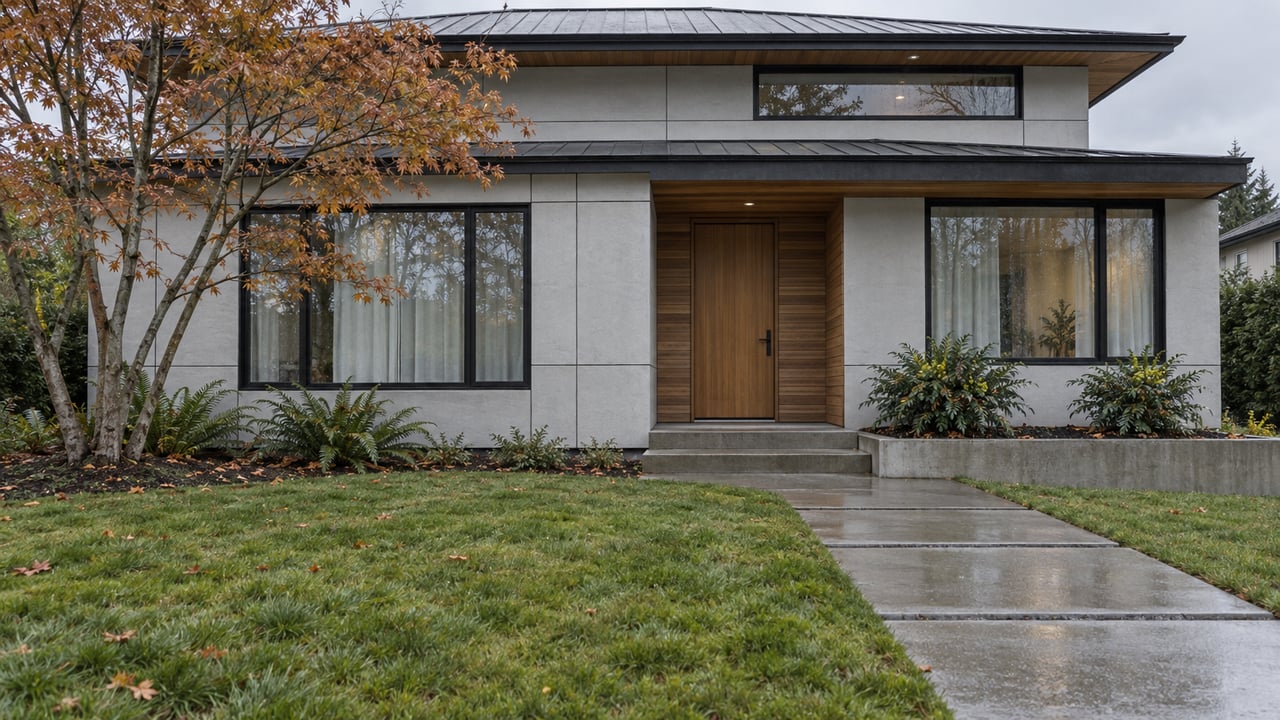
Townhomes often attract buyers who want a more house-like layout and more direct control over their space. In current Seattle listings, townhomes more often highlight direct entries, private rooftop decks, garages, fenced outdoor space, and multi-level floor plans.
That does not automatically mean every townhome comes without shared obligations. Some townhome properties have no monthly HOA dues, while others are part of a common-interest community or are legally structured as condos.
For that reason, the better question is not just “condo or townhome?” It is “what kind of ownership, maintenance setup, and monthly cost comes with this specific home?”
Compare Seattle Price Points
If budget is a major factor, the current Seattle listing snapshot gives a useful starting point. Seattle has 960 condos at a median listing price of $489K and 574 townhouses at a median listing price of $775K.
That gap helps explain why many first-time buyers start with condos. A lower median listing price can make it easier to enter the market, especially if you are balancing your down payment, closing costs, and monthly payment.
Still, the lower price tag does not always mean the lower total cost each month. You need to look at the full payment, not just the list price.
Look Beyond the Mortgage
One of the biggest mistakes first-time buyers make is comparing only principal and interest. In Seattle, the true monthly cost should include taxes, insurance, HOA dues, and a realistic allowance for maintenance or special assessments.
Association dues are not just an admin fee. In Washington common-interest communities, dues are tied to common expenses and reserve funding, and association records must track assessments and reserve allocations.
That matters because dues may cover very different things from one property to another. Current Seattle listings show that some condo dues may include items like gas, water, sewer, garbage, cable, and insurance, while others may reflect amenities such as a pool or on-site management.
On the other hand, some Seattle townhome listings advertise no monthly HOA dues at all. That can sound appealing, but it also means you need to understand what maintenance and future costs you may be taking on directly.
Reserves Matter More Than You Think
If you are buying into a condo or another common-interest community, reserve funding deserves close attention. Washington has reserve-study rules designed to help surface future repair risk, and associations with significant assets are generally required to have reserve studies.
For you as a buyer, this is not just paperwork. A budget, reserve study, and special assessment history can offer clues about how the association plans for major repairs and whether future costs may be handled steadily or in larger surprise chunks.
This is especially important if you are stretching to buy your first home. A lower purchase price can lose some of its appeal if the association is underfunded and major repairs lead to added costs later.
Financing Can Be Different
Financing is another place where condo versus townhome can become more complicated than expected. If a property is legally a condo, the lender may need to review not only your finances but also the project itself.
HUD says FHA financing for a condominium depends on project approval and considers factors such as insurance coverage, financial condition, title, pending legal action, and physical condition. Fannie Mae also uses condo project eligibility tools and questionnaires.
So if you are comparing two similar-looking homes, the legally structured condo may involve more project-level review than a property that is not legally a condo. This is one reason it helps to confirm the ownership structure early in your search.
Lifestyle: Privacy, Amenities, and Space
Your daily routine should play a big role in this decision. Condos and townhomes can support very different lifestyles, even when they are in the same neighborhood.
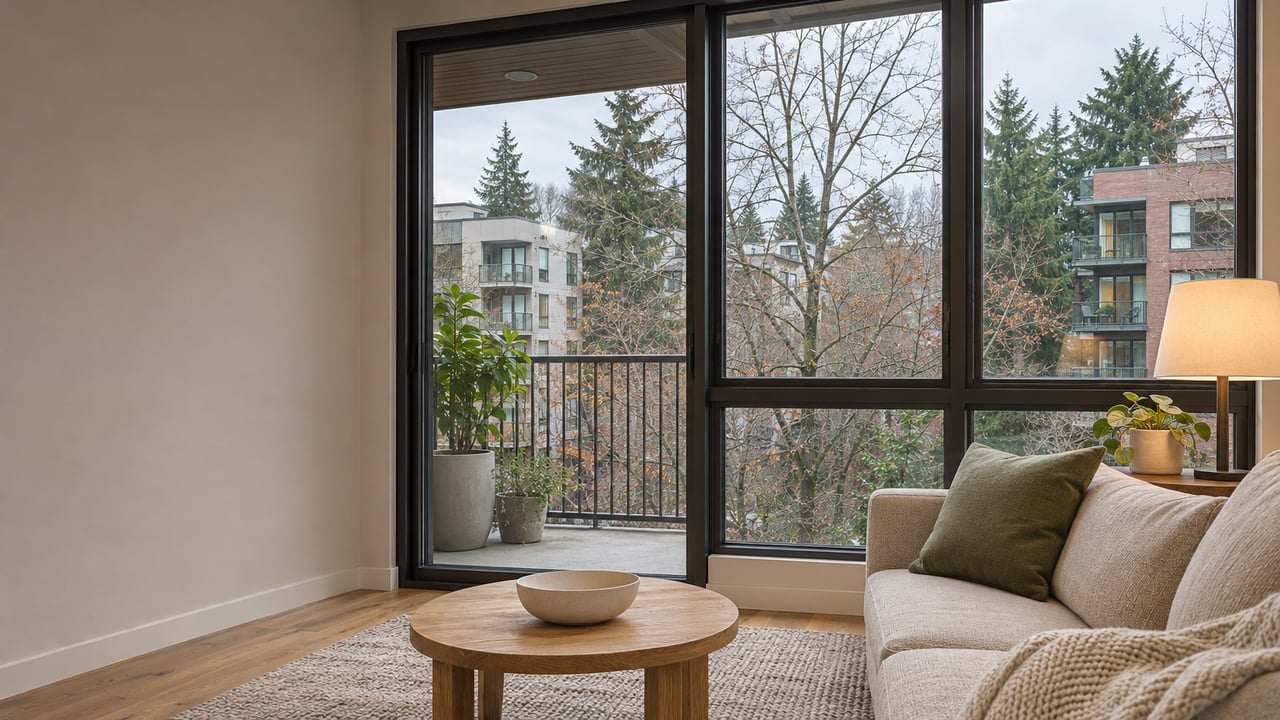
Condos in current Seattle inventory often emphasize shared services and building amenities. If you value lower-maintenance living, a more lock-and-leave setup, and access to building features, a condo may fit well.
Townhomes more often emphasize direct garage access, private rooftop decks, fenced outdoor space, and a multi-level layout. If you want more separation from neighbors, more square footage, or a home that feels closer to a standalone house, a townhome may be the better match.
Neither option is automatically better. The right fit depends on whether you prioritize convenience and shared amenities or privacy and direct control.
Where You Will See Them in Seattle
Seattle’s planning framework helps explain why condos often show up in denser parts of the city. The city’s comprehensive plan has long focused most new homes, jobs, and investment in urban centers and urban villages, and the current update adds more apartments and condos in centers and corridors.
That pattern lines up with what buyers often see on the ground. Attached housing options are spread across several Seattle neighborhoods, with current listing patterns showing both condos and townhouses in areas such as Capitol Hill, Queen Anne, Magnolia, Ballard, and West Seattle.
If you are open to broadening your search, nearby attached-housing markets also include Bellevue, Redmond, Issaquah, Sammamish, Kirkland, Bothell, Edmonds, Lynnwood, and Renton. Comparing Seattle core living with Eastside commute and lifestyle tradeoffs can sometimes reveal a better first-home fit than focusing on one area alone.
A Simple Way to Decide
If you are stuck, try filtering your decision through three questions: What can you comfortably afford each month? How much space and privacy do you really need? How much shared management are you comfortable with?
A condo often makes the most sense when your goal is a lower-maintenance first purchase with a lower median entry point and possible building amenities. A townhome often makes more sense when you want a more house-like layout, more private outdoor space, or more direct control over the property.
The key is not to assume the exterior tells the whole story. In Seattle, two homes that look similar can come with very different ownership rules, dues, and financing requirements.
What to Verify Before You Choose
As you compare homes, keep this checklist in mind:
- Confirm whether the property is legally a condo, a plat community, or another common-interest community.
- Review what the monthly dues cover, if any.
- Ask for the budget, reserve study, and special assessment history.
- Check for rental restrictions, pending litigation, insurance gaps, or lender-approval issues.
- Compare the full monthly payment, including mortgage, taxes, insurance, dues, and likely maintenance costs.
- Make sure the home’s privacy, layout, and outdoor space match how you actually live.
For first-time buyers, clarity usually beats speed. A calm, careful review at the start can save you from expensive surprises after closing.
Buying your first home in Seattle is a big step, but it does not have to feel overwhelming. When you understand the legal structure, monthly costs, and day-to-day tradeoffs, the condo-versus-townhome decision gets much clearer. If you want patient guidance as you compare options in Seattle or the Eastside, John Labrador can help you start your home search with a steady plan.
FAQs
What is the difference between a condo and a townhome in Seattle?
- In Seattle, the biggest difference may be the legal ownership structure, not just the building style. A townhome-style home can still be legally structured as a condominium or another common-interest community.
Are condos cheaper than townhomes in Seattle?
- Current Seattle listings show condos at a median listing price of $489K and townhouses at a median listing price of $775K, so condos often have a lower entry price.
Do Seattle condos always have HOA dues?
- Condo associations usually have dues tied to common expenses and reserve funding, but what those dues cover can vary widely from one property to another.
Can a Seattle townhome have no HOA dues?
- Yes, some Seattle townhome listings advertise no monthly HOA dues, but that is specific to the project and does not apply to every townhome.
Is financing a condo harder than financing a townhome in Seattle?
- It can be if the property is legally a condo, because lenders may also review the condo project’s insurance, financial condition, legal issues, and physical condition.
What should first-time buyers review before buying a Seattle condo or townhome?
- You should review the legal ownership structure, monthly dues, reserve study, budget, special assessment history, and any rental restrictions, litigation, insurance issues, or lender-approval concerns.