You usually get one chance to make a strong first impression when your Sammamish home hits the market. In a fast-moving, high-price market, buyers often decide quickly whether a home feels move-in ready or like another project on their list. If you are thinking about selling, the right pre-listing upgrades can help you present your home more clearly, avoid last-minute stress, and launch with confidence. Let’s dive in.
Why prep matters in Sammamish
Sammamish remains a market where polished homes can stand out fast. Redfin’s March 2026 snapshot showed a median sale price of $1,614,000 and an average of 5 days on market, which points to buyers responding quickly when a home is ready to show well.
That does not mean every seller needs a full renovation. It means presentation, condition, and launch timing matter. In a market like this, thoughtful prep can help buyers focus on the home itself instead of the work they think they may need to do.
Staging also plays a practical role in how buyers experience a listing. The 2025 NAR staging report found that 83% of buyers’ agents said staging made it easier for buyers to visualize a property as a future home.
The same report showed how important visual marketing has become. Buyers’ agents rated photos, physical staging, videos, and virtual tours as much or more important tools in helping buyers connect with a home.
What concierge-style upgrades really mean
A concierge-style pre-market plan is best understood as a way to coordinate improvements and manage cash flow before your home goes live. It is not a guarantee of a certain price or timeline, but it can make it easier to complete smart, targeted work without trying to juggle every moving part on your own.
Compass Concierge is designed around that idea. According to Compass, eligible sellers can access fronted funds for certain home-improvement services, with repayment tied to closing, the end of the listing agreement, or after 12 months, subject to market terms.
Compass also notes that fees or interest may apply depending on the seller’s state of residence, and that Compass is not the lender. That is why it helps to view a concierge-style program as one tool inside a larger selling strategy, not the strategy by itself.
For many Sammamish sellers, the real value is in removing friction. Instead of delaying your listing while you sort out vendors, budget, timing, and marketing, you can build a more organized path from walkthrough to launch.
Upgrades that usually make the most sense
The best pre-listing projects are often the least disruptive ones. In most cases, the goal is not to remake your home. The goal is to remove distractions, sharpen presentation, and help buyers see the home’s space, light, and functionality.
Compass lists a range of covered services that align with this approach, including staging, painting, flooring, carpet cleaning, decluttering, landscaping, cosmetic renovations, moving and storage, and seller-side inspections and evaluations. These are the kinds of updates that can improve presentation without turning your sale into a major construction project.
Here are the upgrades that often deserve the first look:
- Deep cleaning
- Decluttering and storage support
- Carpet cleaning or replacement
- Floor repair
- Interior paint touch-ups or repainting
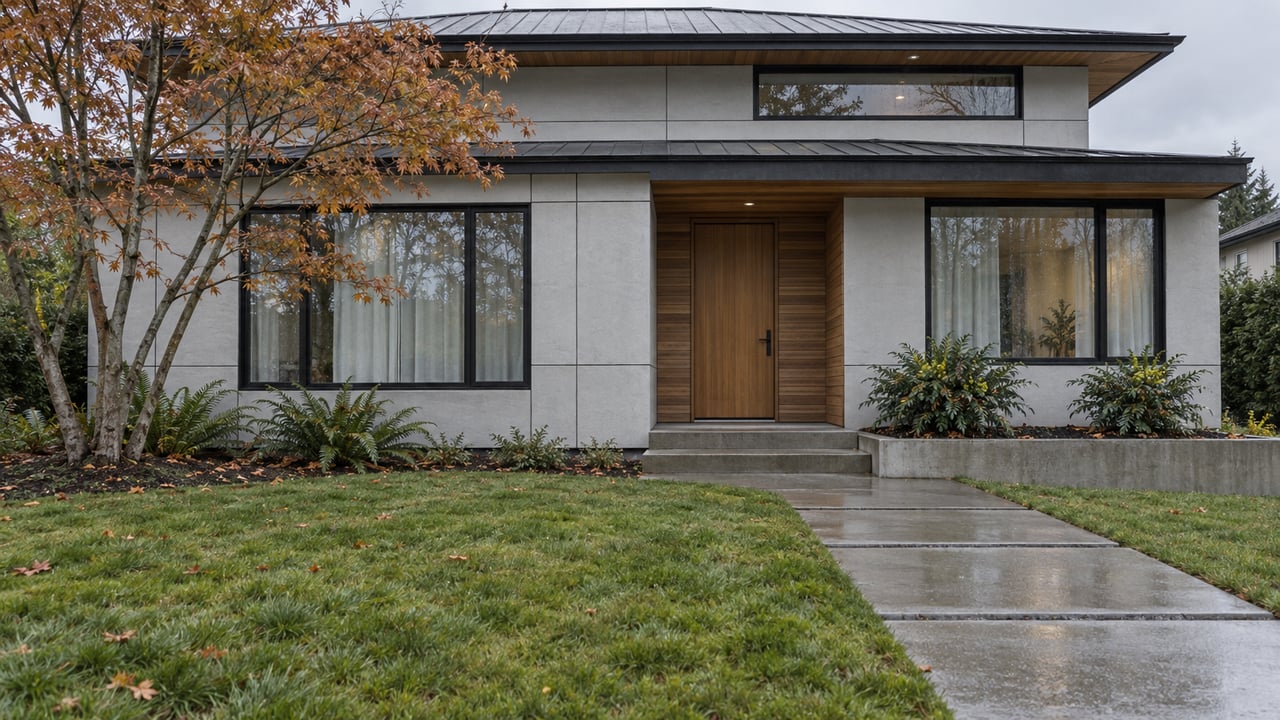
- Landscaping refreshes
- Light kitchen updates
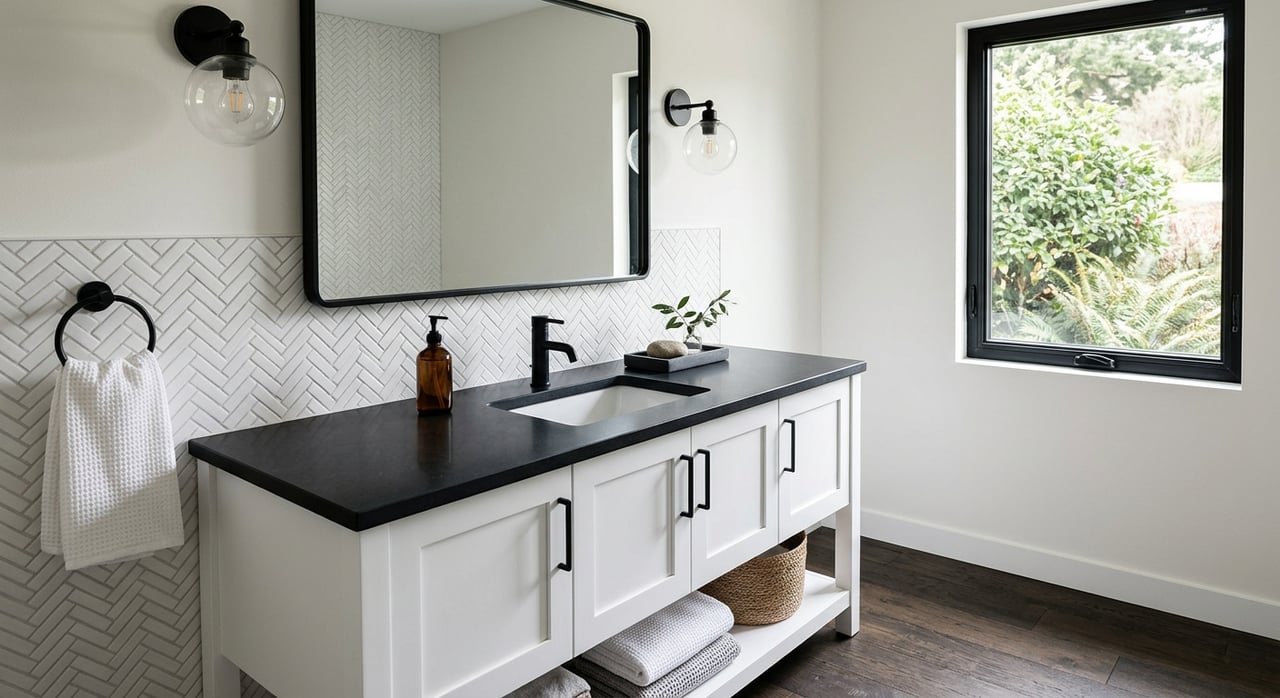
- Light bathroom updates
- Professional staging in key rooms
Targeted staging can be especially effective. NAR reported a median spend of $1,500 on professional staging services, which suggests many sellers can focus on the highest-impact spaces instead of staging every room.
Which rooms deserve priority
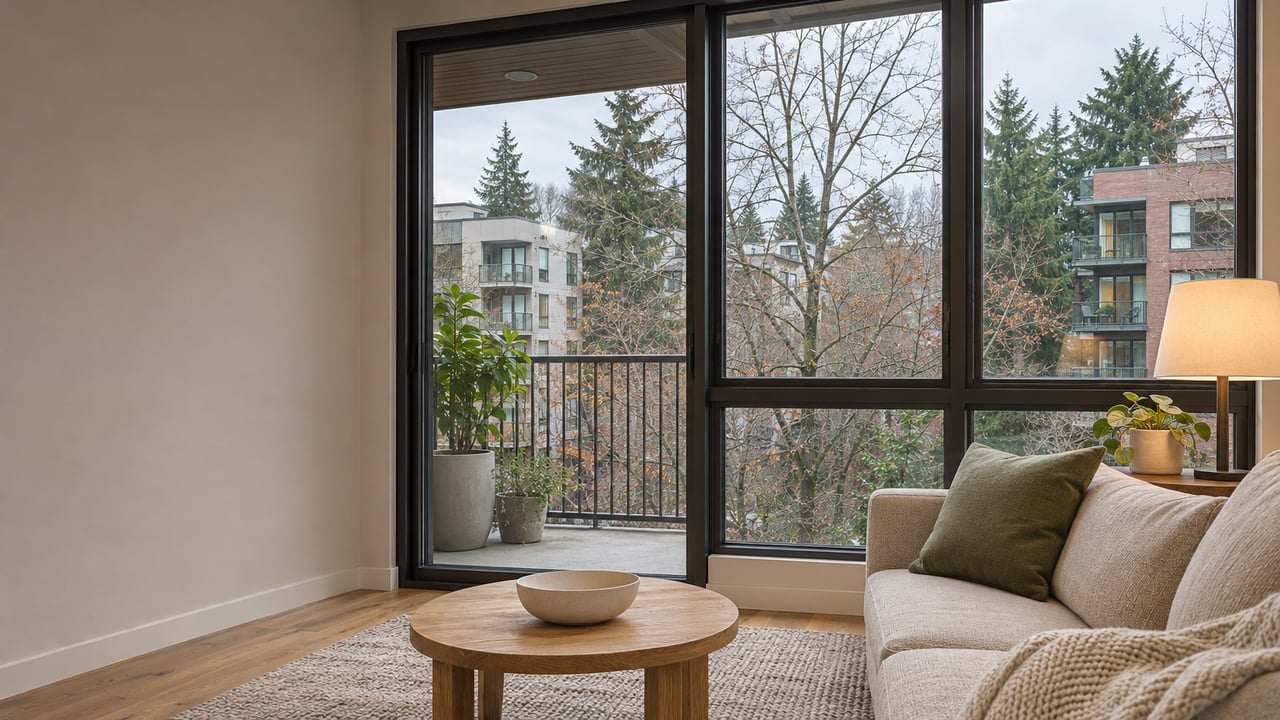
If you are deciding where to spend, start with the rooms buyers notice first and remember most. According to NAR, the most commonly staged rooms were the living room, primary bedroom, dining room, and kitchen.
Buyers’ agents also ranked the living room, primary bedroom, and kitchen as the most important rooms to stage. That is helpful because it gives you a practical roadmap. If your budget is limited, focus first on the spaces that shape a buyer’s overall impression.
In many homes, that means creating a clean, open living area, a calm and spacious-feeling primary bedroom, and a kitchen that looks bright, functional, and well maintained. You do not need every room to look dramatic. You need the home’s core spaces to feel inviting and easy to understand.
A smart Sammamish prep plan
A strong pre-listing process works best when it follows a clear sequence. This keeps the project manageable and helps you avoid spending money in the wrong places.
1. Start with a walkthrough
The first step is a room-by-room assessment of your home’s condition, presentation, and likely buyer impression. This is where you identify what is cosmetic, what may need documentation, and what is better left alone.
A calm, objective walkthrough matters because sellers often live comfortably with details buyers notice right away. Peeling paint, worn carpet, dated light fixtures, or overfull rooms can pull attention away from the home’s strengths.
2. Set scope and budget
Once the priorities are clear, the next step is deciding what work actually supports your sale. This is where a concierge-style plan can help you weigh likely impact against time, cost, and disruption.
The goal is value optimization, not over-improving. Based on NAR findings, staging and presentation can support buyer interest and may contribute to faster sales, but no upgrade should be framed as a guaranteed return.
3. Check permits before major work
In Sammamish, permit questions should never be an afterthought. The city states that construction, alteration, or repair work generally requires a permit, and permits are generally required for building, structural, electrical, HVAC, and plumbing projects.
That matters for both risk and resale. The city warns that unpermitted work may require removal or costly remedies and can complicate a future sale.
Sammamish also notes that many financial institutions will not finance a purchase without proof of final inspection. If work goes beyond cosmetic updates, it is smart to verify permit status before you list.
If you are unsure whether a project needs a permit, the city recommends starting with Project Guidance. In practical terms, this means cosmetic work like painting or decluttering is usually a very different category from moving walls, changing systems, or altering structural elements.
4. Coordinate vendors and timing
Once the scope is set, the real work becomes coordination. Painters, cleaners, stagers, landscapers, and photographers all need to be sequenced in the right order so the home is ready at the right time.
Compass describes its process as choosing the work that should add the most value, setting a budget, engaging contractors and vendors, completing the transformation, and then going to market. That kind of structure can help reduce stress, especially if you are balancing a move, work, and daily life at the same time.
5. Stage and declutter last
Staging should happen after repairs, paint, flooring, and cleaning are complete. That gives the home a finished backdrop, so furniture, art, and accessories can support the space instead of trying to hide unfinished work.
Decluttering is just as important. Buyers need to see the scale and function of each room, and too many personal items can make that harder.
6. Photograph, then launch
Once the home is cleaned and staged, professional photography becomes one of the most important steps in the process. NAR’s 2025 report found that photos were among the most important tools for buyers’ agents, which reinforces how much your online presentation matters.
This is also the point where pre-public marketing options may come into play. Compass positions Private Exclusives and Coming Soon as tools that can be used while a home is being prepared or readied for launch.
What sellers should keep organized
If you are doing any pre-listing work, documentation matters. Washington’s seller disclosure law generally requires a completed seller disclosure statement for improved residential real property unless waived or exempt, and that disclosure is based on your actual knowledge when completed.
That is one reason to keep records organized as work is being done. Save permits, invoices, contractor information, inspection records, and final approvals in one place so you can answer questions clearly when your home goes on the market.
Good documentation does not just help with forms. It can also make buyers more comfortable when they ask about updates, timelines, or the condition of the property.
How to avoid over-improving
One of the biggest mistakes sellers make is treating every update like an investment that must pay back dollar for dollar. In reality, pre-listing improvements work best when they support presentation, reduce objections, and help the launch feel polished.
NAR reported that 29% of agents saw a 1% to 10% lift in the dollar value offered from staging, and 49% of sellers’ agents observed faster sales. Those numbers are useful, but they are not guarantees.
A better mindset is this: choose improvements that make your home easier to love and easier to market. That usually means visible, practical updates with broad appeal, not highly personal or expensive overhauls.
Why guidance matters during prep
Preparing a home for market can feel like a lot, especially when every decision seems tied to timing and money. This is where steady, local guidance matters.
A good prep plan should help you slow down enough to make smart choices, while still moving fast enough to meet the market well. In Sammamish, where buyers can move quickly, that balance matters.
The most effective approach is usually calm, organized, and selective. When you focus on the right improvements, verify the details that matter, and launch with strong visuals, you give your home the best chance to make an immediate impression.
If you are getting ready to sell in Sammamish and want a clear plan for upgrades, staging, timing, and launch, John Labrador can help you build a practical pre-market strategy that fits your home and your goals.
FAQs
What are concierge-style upgrades for a Sammamish home sale?
- Concierge-style upgrades are pre-listing services such as painting, staging, flooring, decluttering, landscaping, and cleaning that help prepare your home for market, often with repayment tied to a later stage such as closing, depending on program terms.
Which rooms should you stage first in a Sammamish home?
- Based on NAR findings, the living room, primary bedroom, and kitchen are usually the highest-priority rooms because they strongly shape buyer perception.
Do you need permits for home updates before listing in Sammamish?
- Sammamish says permits are generally required for building, structural, electrical, HVAC, and plumbing work, so any project beyond cosmetic updates should be checked before listing.
Can staging help a Sammamish home sell faster?
- NAR reported that 49% of sellers’ agents observed faster sales with staging, and 83% of buyers’ agents said staging helped buyers visualize the property as a future home.
What records should you keep when preparing a Sammamish home for market?
- It is smart to keep permits, invoices, contractor details, inspection records, and final approvals organized, especially because Washington seller disclosures are based on the seller’s actual knowledge when completed.