Thinking about trading traffic for train time? If you live or plan to live in Shoreline, the new light rail stations can reshape your daily routine in simple, practical ways. You might walk more, plan fewer car trips, and reach work or weekend plans with less stress. This guide shows you what life near the stations really looks like, plus how to evaluate a home close to transit with confidence. Let’s dive in.
Everyday life near Shoreline stations
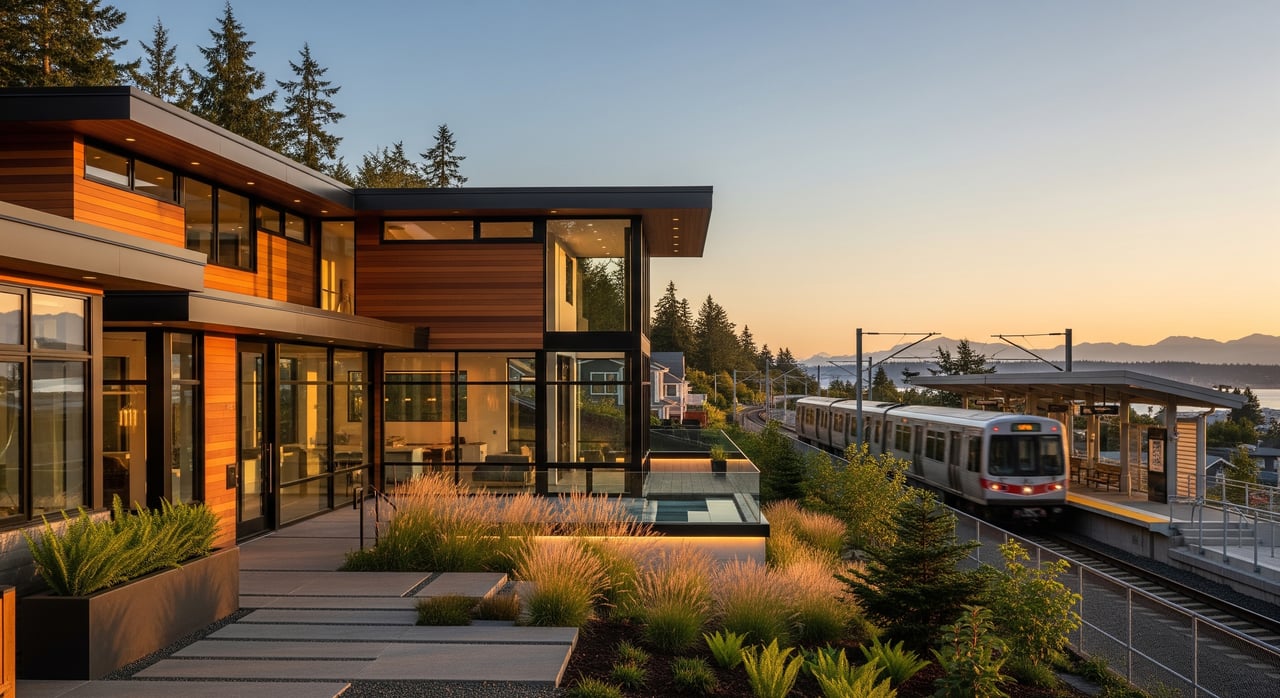
Living a short walk from light rail usually means you rely more on your feet and the train for day-to-day needs. Within about a 10 to 15 minute walk, many residents find a growing mix of small shops and services. As station areas evolve, you may see new cafes, quick groceries, and personal services pop up nearby.
You also get small but meaningful public-realm upgrades. Station plazas, lighting, and wayfinding improve night-time visibility and help you navigate safely. Over time, the streets around stations often feel more active throughout the day.
Daily rhythm and errands
- Quick stops become easier when you can combine a train ride with a short walk for coffee or dry cleaning.
- If you work hybrid, you may find it simple to run midday errands without moving your car.
- Expect gradual change, not an overnight transformation. Retail and services tend to grow as more residents use the stations.
Noise and activity
More riders and foot traffic can create a steady hum near stations. Many people appreciate the added “eyes on the street,” while others are sensitive to sound and vibration. Sound Transit’s environmental reviews outline noise and vibration modeling along with mitigation such as track design and barriers. If you are noise sensitive, plan visits at different times of day to understand how it feels on the ground.
Commute options and connections
Light rail can trim your peak-hour stress by giving you more predictable travel times and fewer I-5 headaches. It also opens up transfer options to reach major job centers across the region.
Rail first, then transfers
If you work downtown or in a neighborhood served by Link, you may ride rail for most of the trip. For other destinations, simple transfers connect you to additional trains or buses. For a true door-to-door picture, add in your first and last mile time, such as a 10-minute walk or a short bike ride.
Bus plus rail
When a new rail line opens, King County Metro and Sound Transit typically restructure bus routes to connect neighborhoods to stations. Service changes can shorten your bus segment and increase frequency near the stations. This often makes multi-leg trips easier to plan and more reliable. Check updated route maps and schedules after each service change.
Bike, walk, and park-and-ride options
- Many stations include bike racks or lockers so you can ride to the train and park securely.
- Shoreline’s local street grid and regional trails help with first and last mile connections. If you cycle, map a low-stress route from your home to the station and do a test ride.
- Some stations include park-and-ride capacity while others are designed for walk-up access. Confirm availability, hours, and rules if you plan to drive and park.
Parks, trails, and weekend fun
One of Shoreline’s biggest perks is easy access to outdoor space. Popular city parks include Richmond Beach Saltwater Park, Boeing Creek Park, Shoreview Park, and Hamlin Park. The Kruckeberg Botanic Garden is a local favorite for plant lovers. Whether you walk, bike, bus, or drive, plan your route ahead of time to see how these fit into your weekly routine.
You can also keep an eye on community centers, pools, and farmer’s markets that reflect Shoreline’s local character. Station areas often attract more small businesses and popup events over time, especially as more residents choose transit for getting around.
Housing near transit: what to expect
New light rail access usually encourages more homes and mixed-use buildings near stations. Cities often allow or incentivize denser, transit-oriented development so more people can live close to frequent transit. In Shoreline, you may see apartments, townhomes, and ground-floor retail take shape within a comfortable walk of the platforms.
Prices and rents may be influenced by proximity to high-quality transit, though results vary by market conditions, supply, and neighborhood amenities. In some places, buyers and renters pay a premium for a shorter commute and car-light lifestyle. In others, added supply helps balance those effects. If you are comparing neighborhoods, look at several nearby options, not just the blocks closest to the stations.
There is also an ongoing discussion about equity and affordability near new stations. Cities, agencies, and community partners may set goals for affordable homes in station areas. Keep an eye on Shoreline planning updates and Sound Transit’s affordable housing programs to understand how those policies may shape future options.
How to evaluate a home near a station
Use this simple checklist to compare options and feel confident in your choice.
- Walk the radius. Time a 5, 10, and 15 minute walk from the station to see what feels comfortable from your block. Repeat in the evening to assess lighting and crossings.
- Map your commute door to door. Combine your walk or bike time with scheduled train times. If you transfer, include buffer time so you can arrive without a rush.
- Listen for noise and watch activity. Visit at morning peak, midday, and late evening. Note train sounds, bus activity, and general foot traffic.
- Check parking and car logistics. If you need a car, confirm on-street rules, dedicated spaces, and park-and-ride policies before you sign.
- Verify bike storage. If you plan to bike to the train, look for secure storage at home and at the station.
- Confirm essential services. Identify your nearest grocery, pharmacy, clinic, and daycare. Try a quick trip using transit to gauge real-world convenience.
- Look ahead to construction. Station areas often see new buildings for several years. Construction brings some noise but also more shops and amenities later. If that trade-off matters to you, consider a few blocks farther out.
Cost and fares in everyday terms
Most riders use an ORCA card for quick, cashless boarding across trains and buses. Transfer policies and fares can change, so check current information before you plan a new commute. As you compare neighborhoods, include monthly transit costs in your budget and see how they stack up against gas, parking, and car maintenance.
Day-in-the-life examples
The car-light weekday
You leave home with a backpack and walk 10 minutes to the station. The train ride is consistent, so you plan your arrival exactly. After work, you stop for a quick errand near the station and walk home without moving your car. On gym days, you switch shoes and jog to a nearby park before dinner.
The flexible hybrid schedule
You work from home two days a week and ride rail the other three. On office days, a short walk and one transfer get you to your desk reliably. On remote days, you bike to a coffee shop near the station, grab groceries on the way back, and save your car for weekend hikes.
Buying or renting near Shoreline stations with steady guidance
Choosing a home near transit is exciting, but it still involves trade-offs. You weigh convenience against noise, car needs against walkability, and today’s block against likely changes over the next few years. You deserve calm, clear guidance through those decisions.
If you want a thoughtful plan, local context, and patient answers to your questions, reach out to John Labrador. John’s care-first approach and neighborhood expertise can help you compare blocks, map realistic commute times, and structure a smart offer.
FAQs
When will Shoreline’s light rail stations open?
- Sound Transit publishes official opening dates and service details. Check for the most current information before planning your commute.
How long is the train ride to downtown Seattle?
- Travel times depend on your station and transfers. Add your walk or bike time to Sound Transit’s published rail times for a realistic door-to-door estimate.
Is there parking at the Shoreline stations?
- Some stations include park-and-ride access while others focus on walk-up riders. Confirm location, hours, and capacity before you rely on parking.
Will home prices go up near the stations?
- New transit often increases demand nearby, but results vary by supply and market conditions. Review current data and compare a few neighborhoods.
Is living near rail noisy?
- Most people adjust quickly, but sensitivity varies. Sound Transit’s environmental analysis includes noise mitigation; visit the block at different times to assess comfort.
How do ORCA transfers work with buses and trains?
- ORCA enables quick transfers within a set window. Check current fare tables and policies so your route and budget reflect the latest information.