If you are choosing between Downtown Redmond and Education Hill, your decision may come down to one simple question: what does your normal day look like? Some buyers want to walk to errands, grab transit easily, and keep most of life within a few blocks. Others want a more residential rhythm with parks, trails, and a quieter street pattern. This guide will help you compare how each Redmond neighborhood supports your routine so you can focus your home search with more confidence. Let’s dive in.
Downtown Redmond at a glance
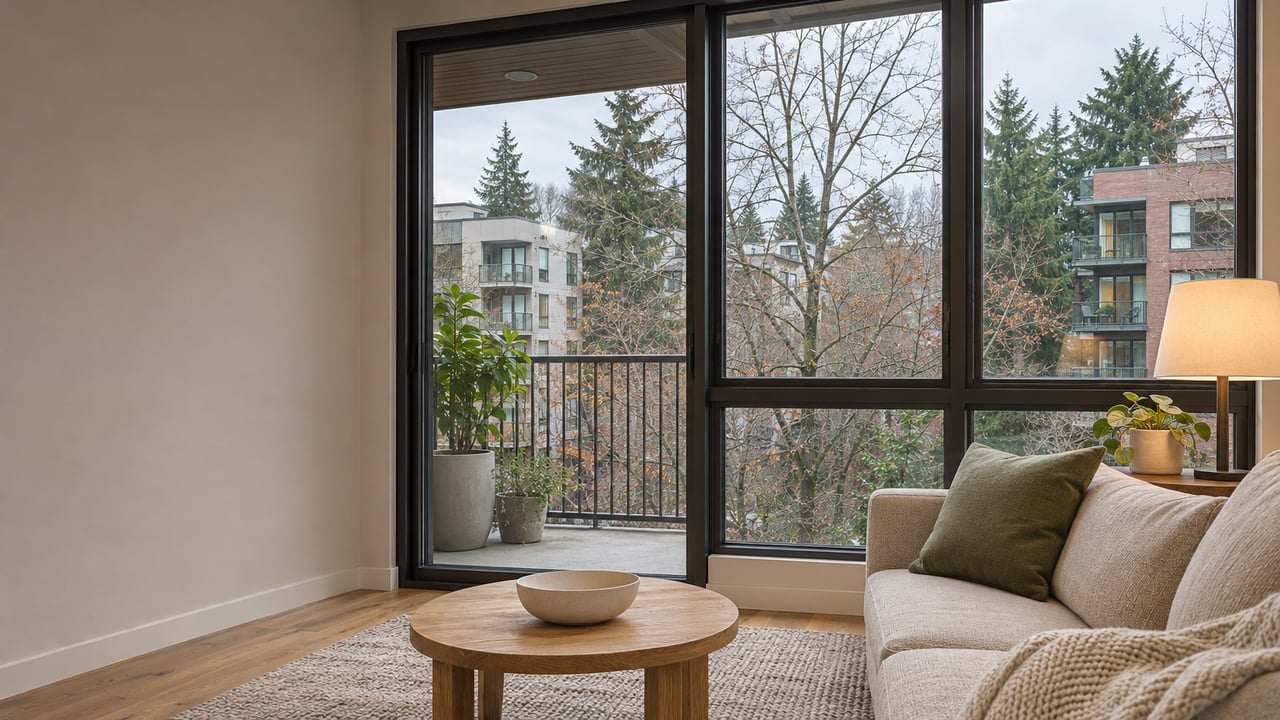
Downtown Redmond is the city’s urban core and one of its two urban centers. According to the City of Redmond, it combines mixed-use residences, offices, hotels, parks, frequent bus service, and more than 10,000 jobs in the neighborhood.
This is also where the city is directing a large share of future growth. Redmond’s downtown planning and zoning updates support low- and mid-rise residential, office, and mixed-use buildings, with taller buildings allowed near light rail when incentives apply.
For you, that often means a more connected daily routine. If you want to live near services, public spaces, and regional transit, Downtown Redmond is built for that kind of movement.
Education Hill at a glance
Education Hill has a very different feel. It is one of Redmond’s largest residential neighborhoods, located on a hillside just north of Downtown, and the city describes it as a mature neighborhood with schools, parks, trails, trees, and a mix of housing styles.
The area is closely tied to neighborhood-scale activity. The city notes that residents value walkability, schools, parks, trails, and other community-serving spaces, which creates a routine that tends to feel more local and residential.
If your ideal day includes neighborhood streets, nearby open space, and a setting that feels less urban, Education Hill may line up better with how you want to live.
Walkability and errands
Downtown Redmond favors errand walking
If you want to walk to more of your everyday stops, Downtown Redmond has the stronger setup. The city says Downtown includes shopping, dining, services, events, employment, residences, hotels, and parks, which makes it easier to combine errands and leisure in one trip.
Downtown Park adds to that convenience. It sits near the Redmond Library, the Redmond Central Connector, and the transit center, so a typical day might include a coffee run, a quick errand, and a walk through the park without needing to get in the car.
Education Hill favors local walking
Education Hill is also walkable, but the pattern is different. The city describes it as a strong pedestrian setting with schools, parks, trails, and sports venues, which points to a routine built more around local destinations than a mixed-use commercial core.
Because the neighborhood sits on a hillside, your daily route may feel more shaped by elevation and residential streets. In practical terms, that can mean pleasant neighborhood walks and trail access, but not the same kind of walk-to-everything setup you see Downtown.
Transit and commuting options
Downtown Redmond supports car-light living
Downtown Redmond has the strongest transit access of the two. Sound Transit opened Downtown Redmond Station on the 2 Line extension on May 10, 2025, with two-car trains running every 10 minutes for 16 hours a day.
The station also connects with bus service, which gives you multiple ways to move around the Eastside and beyond. One important detail is that Downtown Redmond Station does not have Sound Transit parking, so the area works best if you expect to walk, bus, bike, or get dropped off for rail access.
Education Hill leans bus and shuttle
Education Hill has transit access too, just with a different rhythm. King County Metro Route 222 serves Education Hill, Downtown Redmond Station, Redmond Technology Station, and Cottage Lake, and RedLink provides free on-demand microtransit in parts of Education Hill, Downtown Redmond, and Southeast Redmond.
That setup can work well if you want flexibility without being right in the middle of the urban core. If you like having a drive-to-transit backup, Redmond Technology Station has 323 parking spaces, which may matter if your schedule is less predictable.
Parks and outdoor routines
Downtown Redmond offers an urban park feel
Downtown Redmond’s signature open space is Downtown Park, a 2-acre urban park with a splash pad, plaza, pavilion, gardens, restrooms, and space for community events. The park is open from dawn to 11 p.m. and connects directly to the Redmond Central Connector.
The Redmond Central Connector is a 3.9-mile trail corridor that links multiple neighborhoods. If your ideal outdoor routine is a short walk to a central park or an easy trail connection before or after work, Downtown makes that simple.
Education Hill offers more trail and field access
Education Hill has a more recreation-oriented outdoor pattern. Hartman Park spans 40 acres and includes ball fields, soccer and softball fields, tennis and pickleball, playground space, picnic areas, a pool, and trails.
The city also maps the Education Hill Loop Trail as a 3-mile route along Hartman Park Trails, Abbey Road Nature Trail, and the Puget Powerline Trail. If your routine includes longer walks, trail loops, or active outdoor time close to home, Education Hill stands out.
Housing patterns to expect
Downtown Redmond has more mixed-use housing
Downtown is where Redmond is concentrating growth, and the city says it is expected to accommodate one-third of planned housing growth through 2030. It has also seen more than 1,200 new multifamily homes permitted since 2010.
That matters if you are looking for a condo, apartment-style home, or newer mixed-use building close to transit and services. In general, Downtown Redmond is the better fit if you want an urban housing pattern with newer development options.
Education Hill has a more established feel
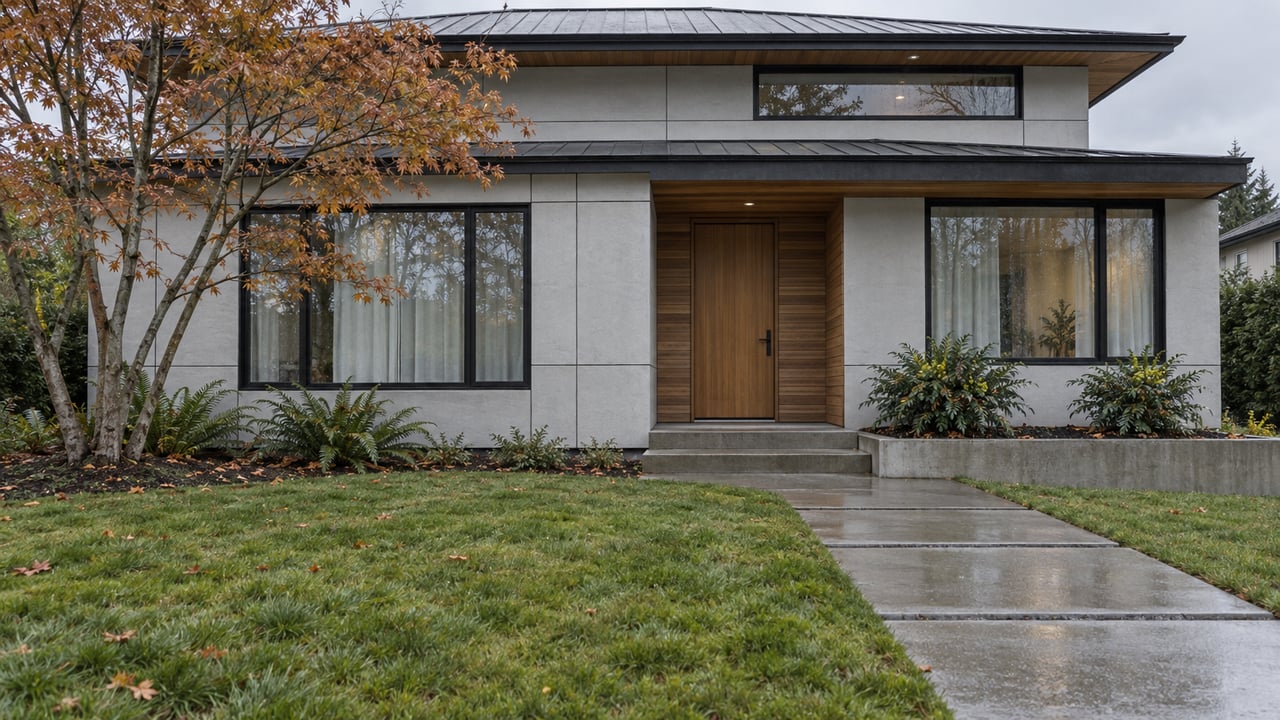
Education Hill remains primarily residential and more established in character. The city describes it as a large residential neighborhood with significant trees and a mix of single-family, attached, and multifamily housing.
The neighborhood project pattern suggests more incremental change, such as townhomes, short plats, and park or school updates, rather than a downtown-style redevelopment cycle. If you want a more traditional neighborhood setting, Education Hill may feel like a more natural fit.
Which neighborhood fits your routine?
The best choice depends less on labels and more on how you move through a normal week. A neighborhood can look great online, but your experience will come down to how easily it supports errands, commuting, outdoor time, and the kind of home you want.
Here is a simple way to think about the trade-offs.
Downtown Redmond may fit you if you want:
- Walkable access to errands and services
- Strong transit connections, including light rail
- Mixed-use living with an urban feel
- Easy access to Downtown Park and the Redmond Central Connector
- Housing options that lean condo, multifamily, or newer development
Education Hill may fit you if you want:
- A more residential neighborhood setting
- Daily routines centered on parks, trails, and local streets
- Bus and microtransit options instead of rail-first living
- Outdoor recreation close to home, especially around Hartman Park
- A mix of detached homes and attached housing in a mature neighborhood
How to tour both areas well
If you are seriously comparing these two neighborhoods, try to visit each one at the times you would actually use it. A midday drive is helpful, but it will not tell you as much as a morning commute, an evening walk, or a weekend errand run.
Pay attention to what your day would feel like, not just what the map shows. Notice how easy it is to get to transit, where you would walk for outdoor time, and whether the street pattern matches your comfort level and pace.
A calm, practical home search starts with matching the neighborhood to your real routine. If you want help comparing homes in Downtown Redmond or Education Hill, John Labrador can help you weigh the trade-offs and move forward with clarity.
FAQs
Is Downtown Redmond or Education Hill better for walking to errands?
- Downtown Redmond is generally better for errand walking because it has a stronger mix of shopping, dining, services, parks, and transit in one area.
Is Education Hill in Redmond a transit-friendly neighborhood?
- Yes, Education Hill has transit access through King County Metro Route 222 and RedLink microtransit, but its routine is more bus-and-shuttle oriented than rail-oriented.
Does Downtown Redmond have light rail access?
- Yes, Downtown Redmond Station opened on the 2 Line extension on May 10, 2025, with trains running every 10 minutes for 16 hours a day.
Which Redmond neighborhood has better park and trail access?
- Education Hill offers a more recreation-focused setup with Hartman Park and the 3-mile Education Hill Loop Trail, while Downtown Redmond offers an urban park and trail connection through Downtown Park and the Redmond Central Connector.
What kind of homes are common in Downtown Redmond?
- Downtown Redmond is more associated with multifamily and mixed-use housing, including condos and newer residential development near transit and services.
What kind of homes are common in Education Hill?
- Education Hill has a more established residential pattern with single-family homes, attached housing, and some multifamily options.
How should you choose between Downtown Redmond and Education Hill?
- The best way to choose is to compare your routine, including errands, commute needs, outdoor habits, and preferred housing type, against what each neighborhood supports day to day.